EQUILIB
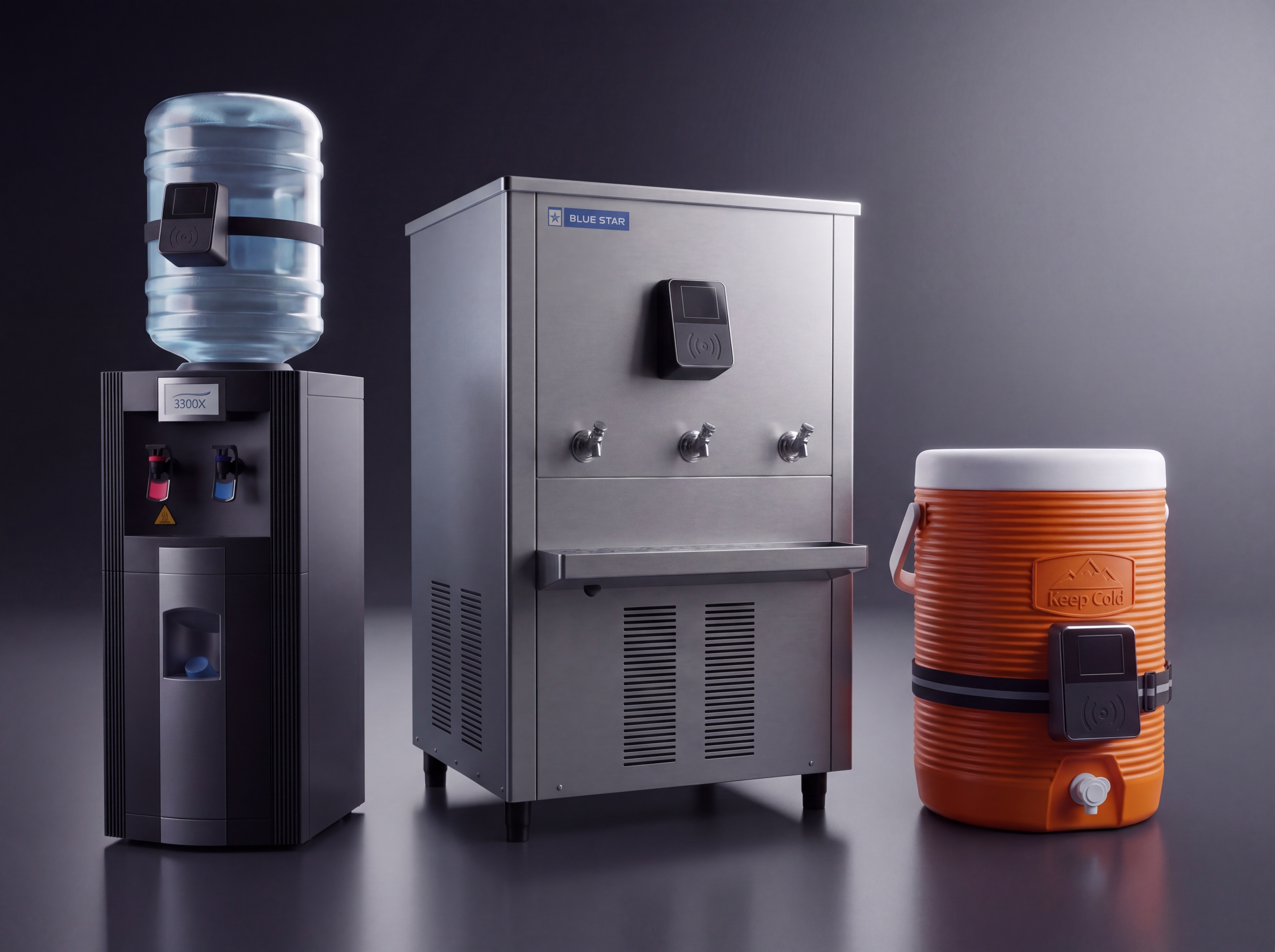
A hydration monitoring system for construction sites in the UAE. The kind that hit 45°C and stay there. The worker wears an RFID tag inside the hard hat, a network of battery-powered fill stations sits across the site, and the safety officer carries an Android app that pulls everything together. No internet, no cellular, no smartphone in the worker's hand.
The problem
Construction summers in the Gulf sit above 45°C for hours at a stretch. The body doesn't tolerate that without active management of intake, rest, and shade. The thing is, workers already know they should drink more. In the survey I ran for this thesis, 47% said they only reach for water when they're thirsty. Which is reactive, and by the time you're thirsty on a 45° site, you're already behind.
Task pressure wins over intention. Supervisors notice symptoms once they're visible. The piece that could catch it earlier, the daily organisational layer between workers and supervisors, has been running blind. The gap isn't knowledge or willpower. It's coordination.
The system
EQUILIB is three parts, not one. They were designed to sit inside the systems a site already runs, instead of adding a parallel routine alongside.
-
01
An RFID tag inside the hard hat
Sewn into the lining of the helmet the worker already wears. No new wristband, no new badge, no battery to charge. The hard hat is mandatory and already inspected. The tag goes where the head already is.
-
02
Fill stations that mount onto existing dispensers
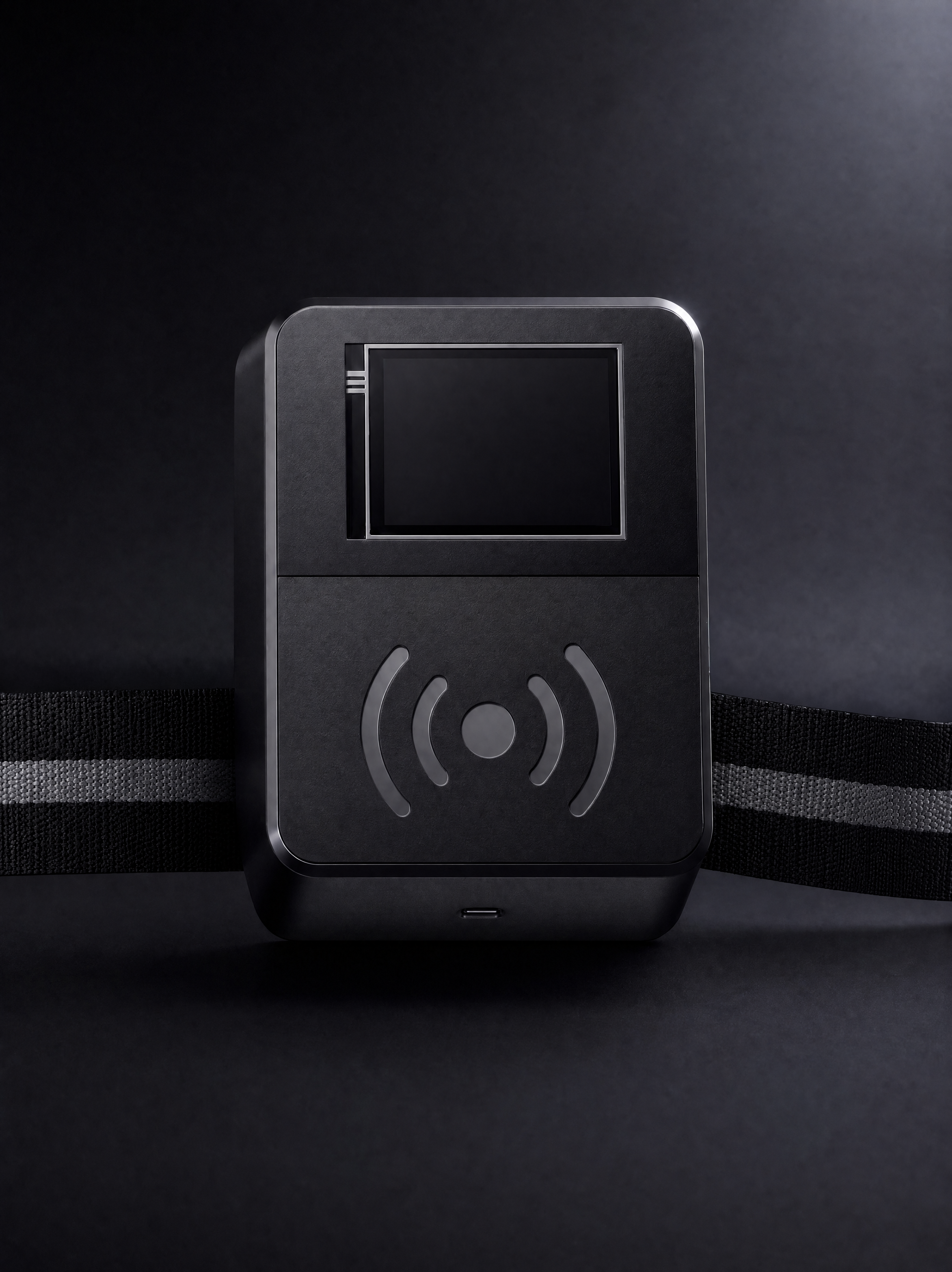
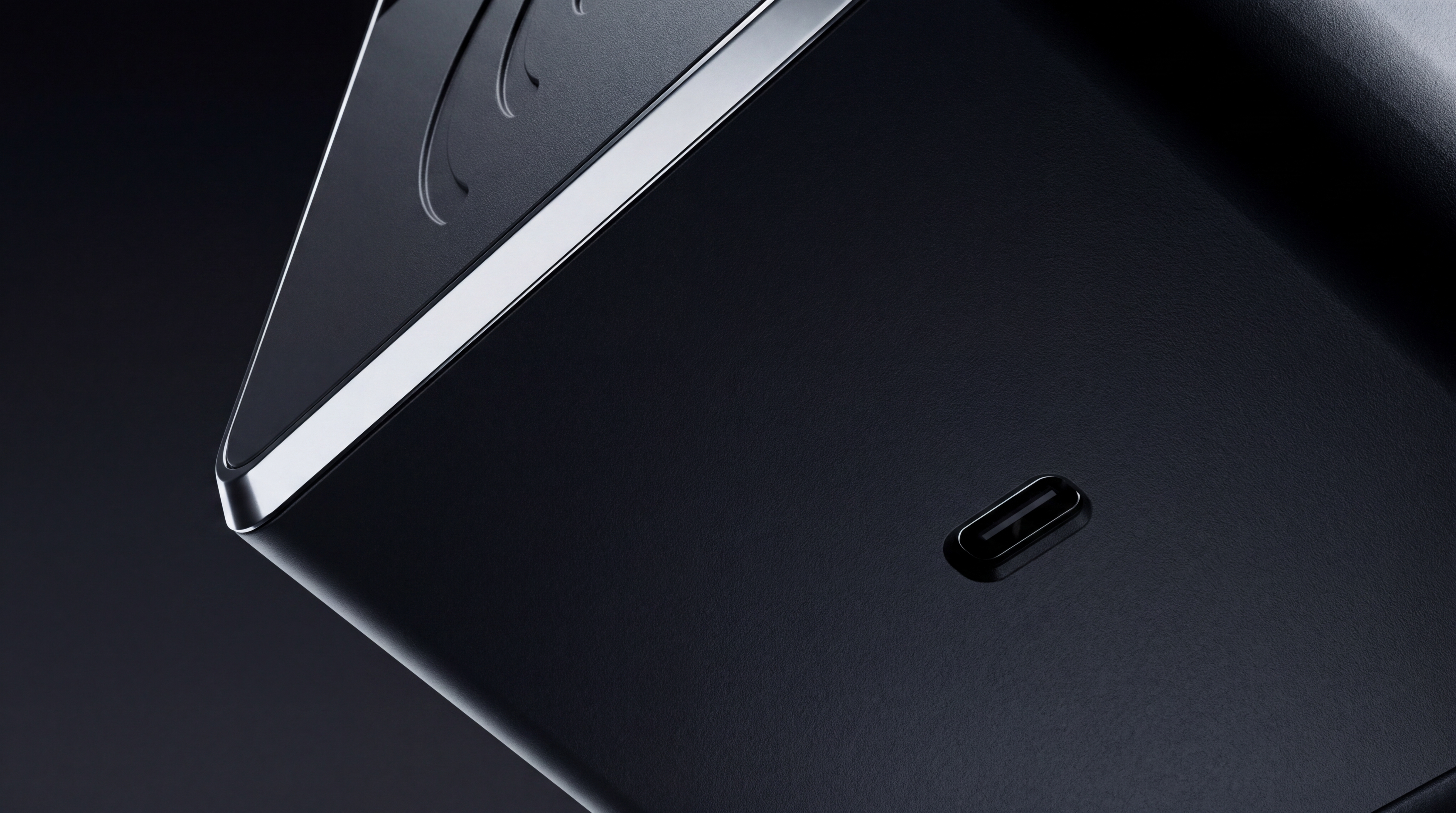
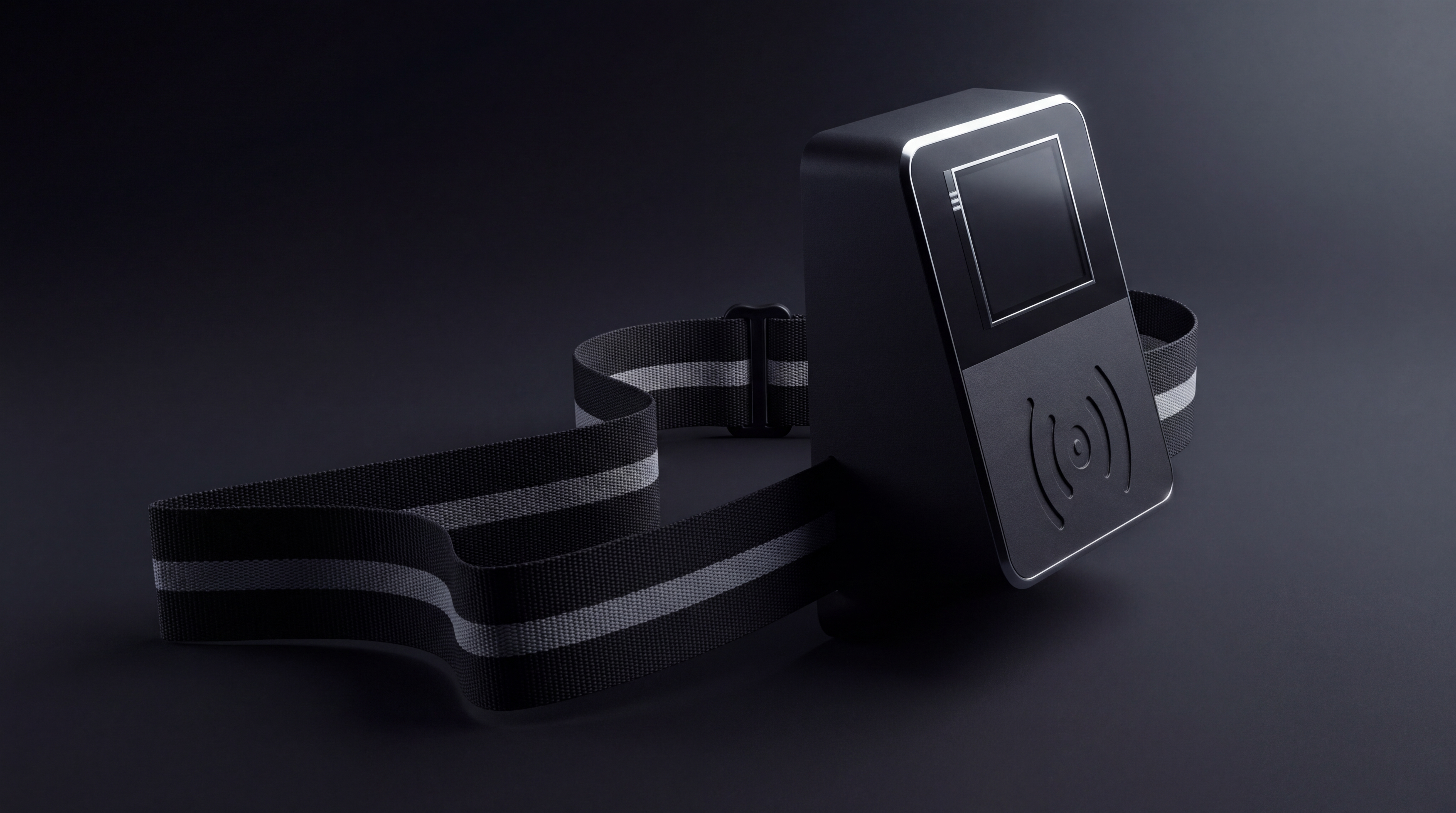
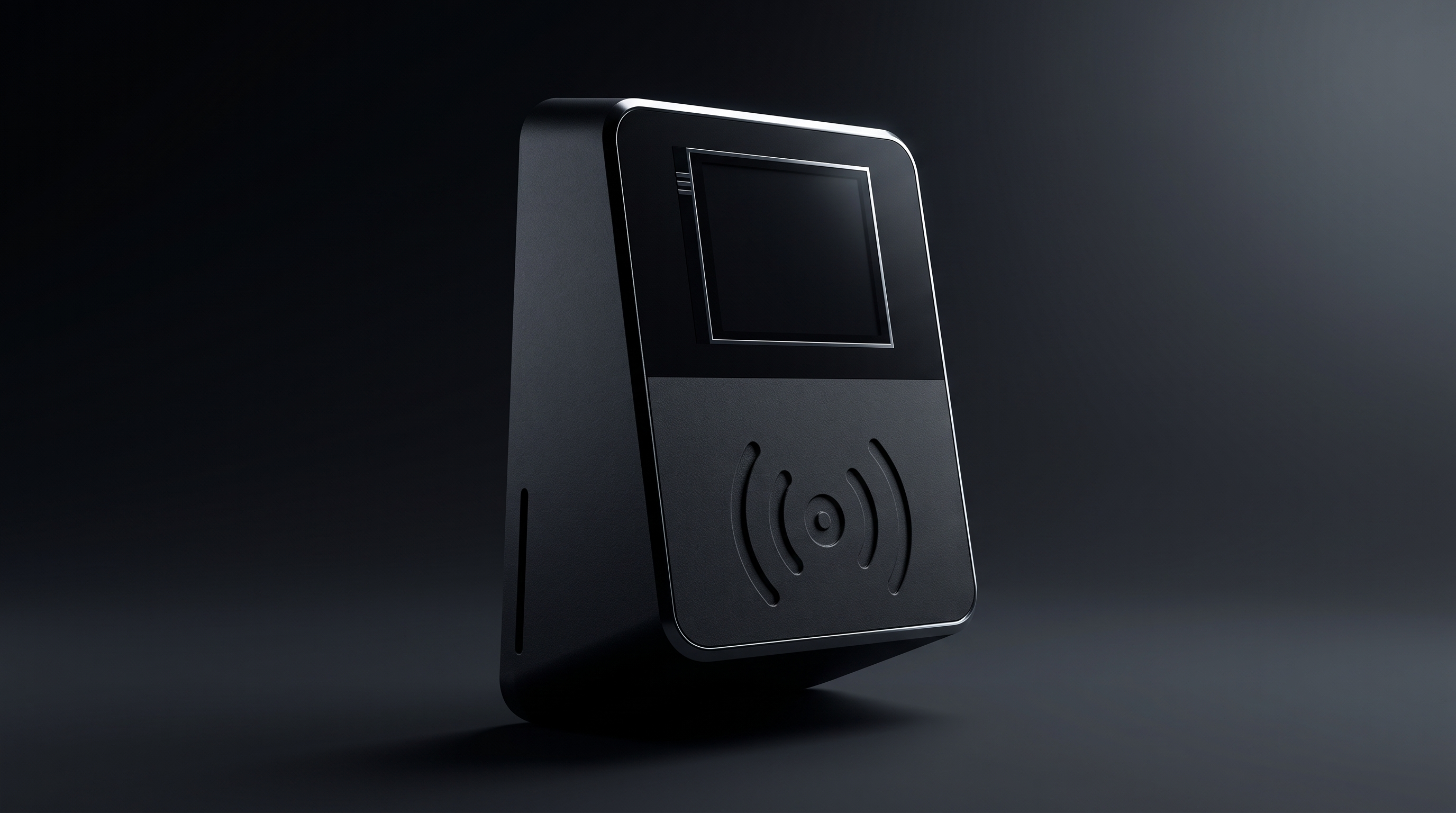
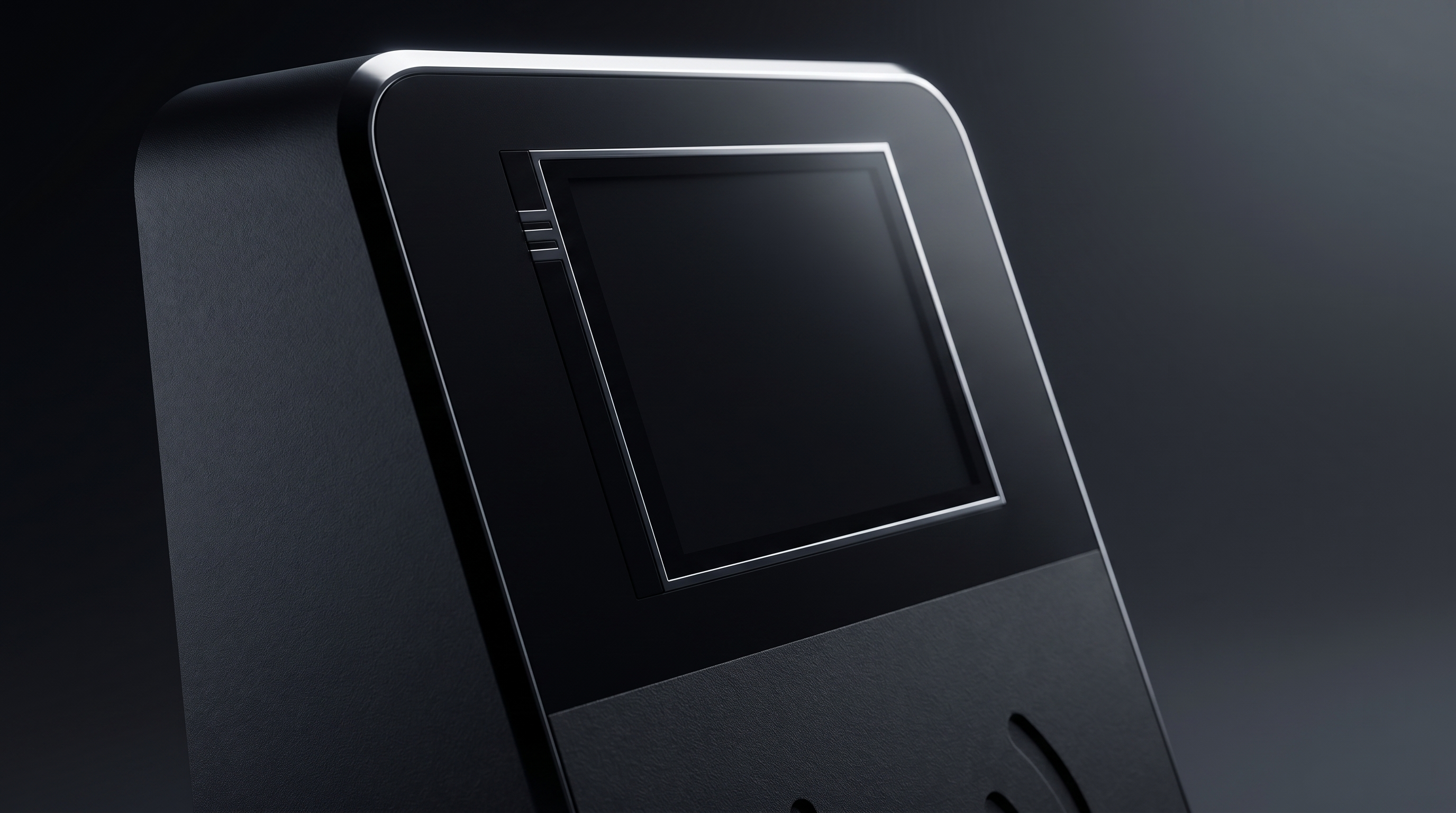
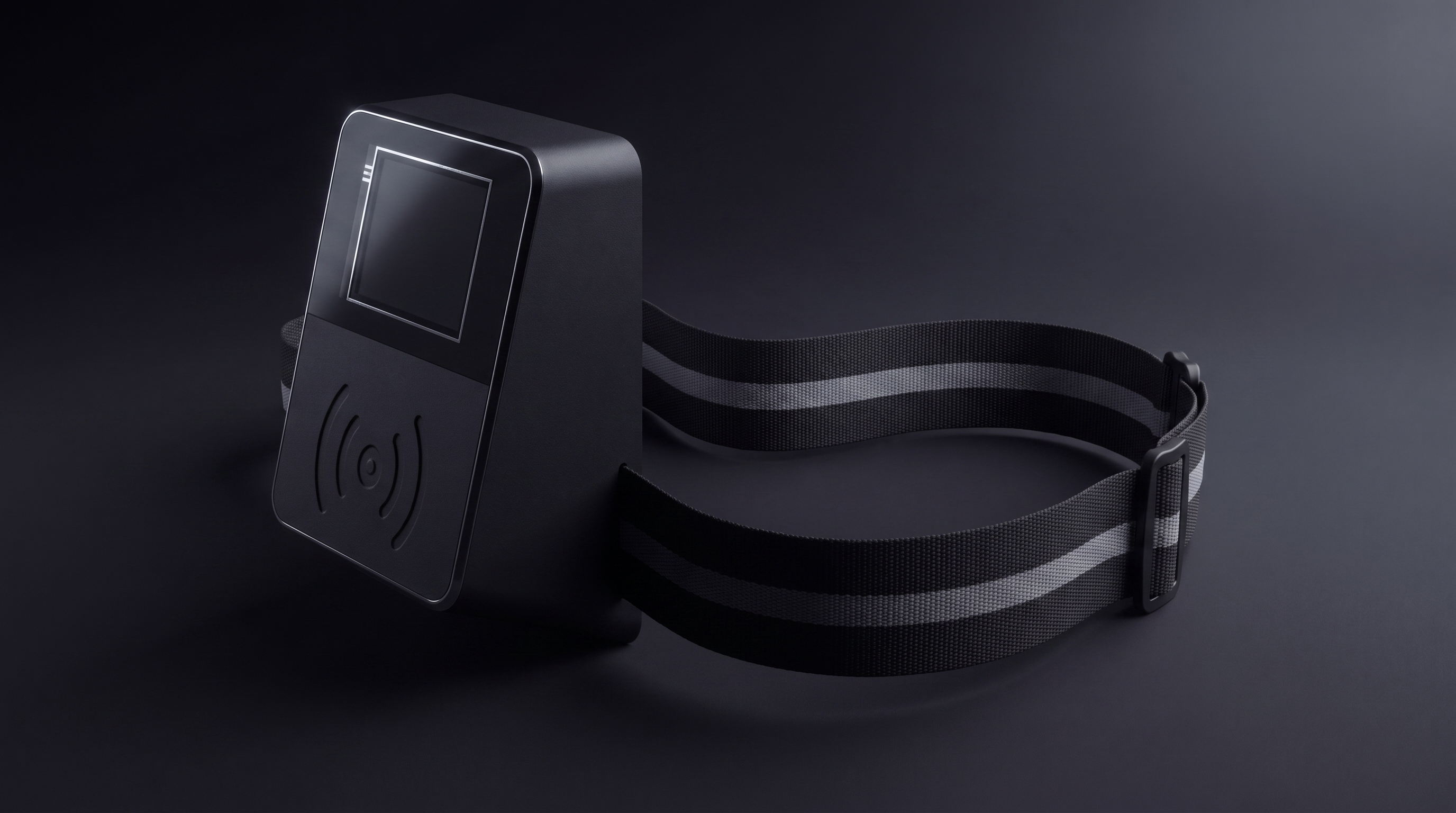
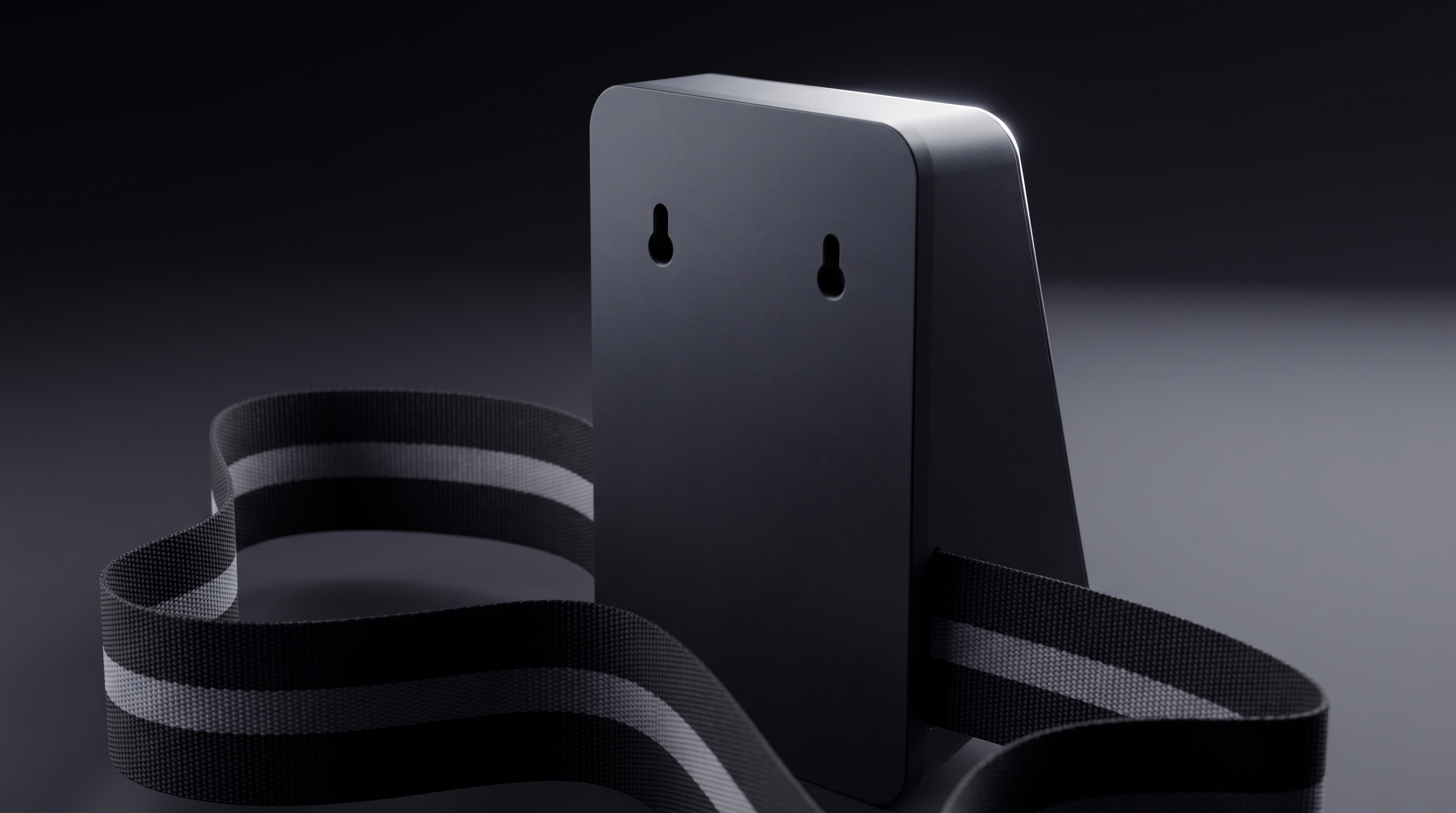
Battery-powered, charged manually over USB-C, microcontroller inside. They strap onto whatever the site uses for water: bottle coolers, industrial dispensers, jerry cans. A station reads the helmet tag at about 30 cm, opens the valve for a fixed dispense, writes the event to local flash, and flashes green, amber, or red back at the worker.
-
03
An Android app the safety officer already carries
Mid-shift, the officer walks the site as part of normal HSE rounds and taps the phone against each station. The full station log transfers over NFC card emulation, no Wi-Fi or cellular involved. The app merges everything into a live per-worker risk view, a 0–100 compliance score, and warnings in both English and Arabic.
The system runs entirely offline. No internet, no cellular data, no smartphone in the workers' hands.
A day on site
At 6 a.m. workers turn up in their own helmets, tag already in the lining. The stations boot off their batteries (charged the night before) and start a fresh local log. The first water break of the shift looks like any other refill: walk up, hold the bottle under, leave. Behind that, the station reads the helmet tag at about 30 cm, opens the valve for a fixed amount, writes the event to flash, and flashes a colour back. Green means you're on track. Amber means the previous gap is getting close to the warning line. Red means you've already crossed it.
Mid-shift, the safety officer walks the site like normal. Each station gets a quick tap of the phone, and the shift log copies over. By the second tap, the app is already showing things: which workers have gone over ninety minutes without a fill, which crews are below median compliance, where the critical alerts are clustering. The officer can step in. A short conversation, a move into the shade, an enforced rest. Before any of it becomes a callout on the radio.
At 6 p.m. the shift ends. The station logs stay on flash. The next morning's officer can open the app and read the previous day's compliance summary off it.
Validation
Validation happened at two levels. I built a Python simulator that generated synthetic shifts for the awkward cases: workers with no fills in the first two hours, workers fed by two stations at once, roster additions mid-shift, a station that lost power partway through. The risk engine produced the expected state transitions in every case, and cross-station UUID deduplication held up in the worst case I could throw at it (two stations issuing fills within the same millisecond).
For stakeholder review, I built a browser-runnable HTML version of the manager app. It runs against simulated data but exercises the full risk-engine code path, so reviewers got a faithful sense of the live thing without anyone needing to hand them an RFID reader. On the bench, the firmware runs end to end on the microcontroller.
Contributions
The thesis makes three concrete contributions. The first is the form factor: putting the RFID inside the existing hard hat lining instead of building a separate wristband or badge, so the worker doesn't carry anything new. The second is an architectural pattern for offline multi-station logging. UUID-based event identifiers paired with NFC card-emulation transfer let several stations on the same site aggregate into one consistent picture, with no networking infrastructure between them. The third is the compliance score itself, built on inter-fill spacing rather than total volume. That's closer to what the heat-strain literature actually cares about, and harder for a worker to game.
The bigger claim around those technical pieces is strategic. The most useful design intervention in this field probably isn't a more advanced wearable. It's a better-coordinated site. Coordination is cheap to deploy and easy to maintain, and it's where regulation is heading anyway.
Limitations
Three limitations carried into the proposal openly. EQUILIB depends on the safety officer walking the site and tapping the stations. If that round breaks down, the data doesn't flow. The compliance score rewards spaced fills but can't actually tell whether a worker drank what they filled or poured it out; the system trusts the act of filling, not the act of drinking. And the proposal doesn't solve the underlying causes of dehydration on hot sites. It makes them visible. Visibility is necessary, but it isn't sufficient.
The system hasn't been piloted on a live site yet. Bench validation is as far as I got within the thesis timeframe. The building blocks work in isolation. The proof that actually matters, a real crew working through a real shift, is still ahead.
"Heat is not the kind of problem you solve. Design, here, doesn't make the heat go away. It gives the people running a site better ways to work within it."From the conclusion — ThA401, DIDI 2025–2026